- Solomon's Circle
- Posts
- Are You a Wise Builder?
Are You a Wise Builder?
Oil From $60 to Triple Digits, What's Next?; Laser Weapons in Use; Health Benefits of Soluble Fiber

Solomon's Circle
March 12, 2026
Devotional
Are You a Wise Builder?

I was humbled to be a volunteer after hurricane Helene dumped historic floods on western NC in the fall of 2024. On my first trip we came across the church in the picture above that was built in 1902. I was awe struck at its pristine appearance surrounded by epic destruction. During a break I took a walk around it to see that a river of water had rushed alongside it from the hill above, flooded the valley in front of it but did not damage the church, which was built on a solid rock foundation.
The contrast parable of the wise and foolish builder starts with a rebuke from Jesus….. “Why do you call me, ‘Lord, Lord,’ and do not do what I say?” I believe that this intro is the essence of the parable.
We all like to believe we are wise builders right? Realize there are 3 distinct steps to fall into this category:
Come
We must come to Jesus. Consider this salvation. Come to Jesus with a repentant heart, ask for forgiveness and receive Him into your life. But wait, there is more…
Hear
We must listen to the words and voice of Jesus. How? We have the red letters of what He spoke mostly in the gospels and sprinkled through the new testament, including a long section in the book of revelation. We also hear by actively listening to Him. Jesus said, ”My sheep listen to my voice; I know them, and they follow me.” (John 10:27)
(Recall recent Solomon Circle devotion on Pasture Raised Christians)
Practice
Unfortunately, this is where most Christians fall short and none of us are immune to life drift. We MUST put into practice what He says. Following Christ is a life long practice. It's not just going to church regularly, as valuable as that can be. It's living daily with a posture of surrender to God's will and walking in step with the Holy Spirit according to what we hear from God (point 2 above). Unless we put into practice what we hear, we unfortunately are relegated to the foolish builder category.
Please take this to heart and put into practice what Jesus has said and continues to speak to us through His Holy Spirit. It will transform your life into a wise builder and put you on a solid foundation, like the church above.
Financial Update
Oil From $60 to Triple Digits, What’s Next?
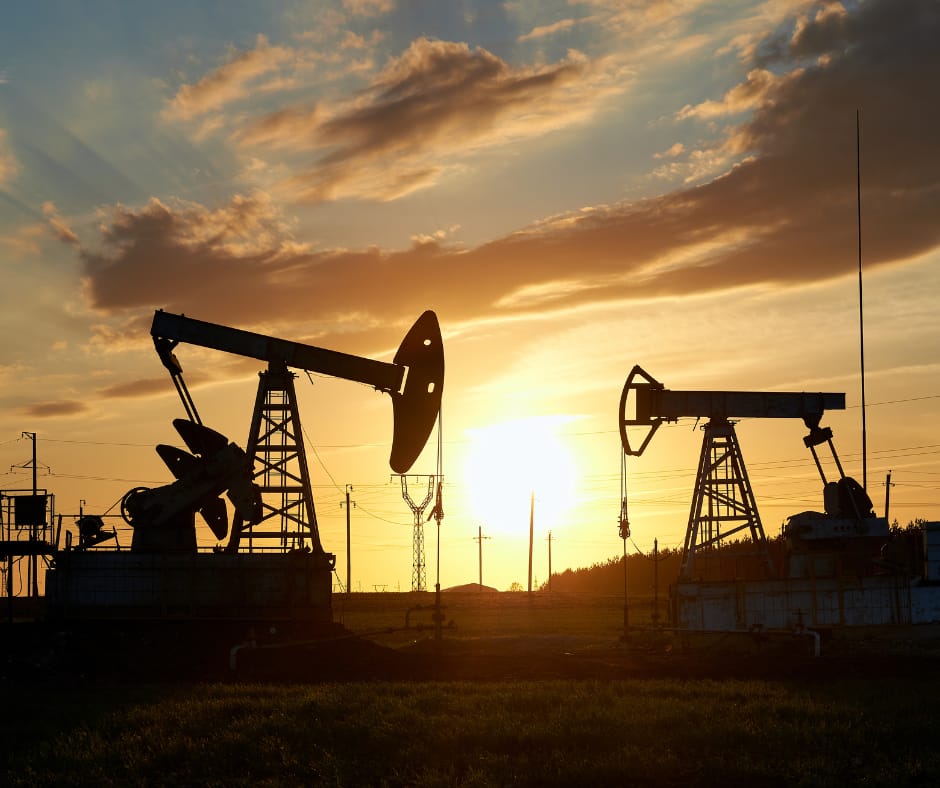
In late October of last year, we noted in our Solomon’s Circle article that oil was trading around $60 a barrel, and its fundamentals looked strong for a potential push to the upside. In just a few months, prices have surged dramatically, recently touching $110 a barrel. As stewards, understanding this shift matters, not just for our finances, but for how we interpret the times.
What Fueled the Surge?
The primary driver has been a sudden and dramatic shift in the Middle East. In early March 2026, the United States and Israel launched military action against Iran, triggering one of the most significant energy disruptions in decades. Iranian forces responded by threatening and targeting shipping in the Strait of Hormuz, the narrow waterway through which roughly 20% of the world's oil flows. When that chokepoint tightened, the market reacted swiftly. Brent crude surged more than 25% in a matter of days, recording its largest weekly gain on record.
Compounding the disruption, Middle Eastern producers, including Iraq, Kuwait, and the UAE, were forced to suspend shipments as storage facilities filled and tanker traffic halted. Some regional oilfields were bottlenecked entirely. In short, the world was confronted with the sudden loss of a significant share of its daily oil supply.
The Outlook Going Forward
Analysts are divided on how long elevated prices will last. Major institutions like J.P. Morgan and the U.S. Energy Information Administration (EIA) had entered 2026 forecasting prices in the $60 range, while the global market was actually oversupplied. Their base case remains that once the Strait of Hormuz reopens and production gradually recovers, prices should retreat. But it leaves room to intercept what "gradually" means in this situation.
”If any of you lacks wisdom, you should ask God, who gives generously to all without finding fault, and it will be given to you”
Even after a ceasefire or negotiated calm, damaged infrastructure, rattled supply chains, and lingering risk premiums can keep prices elevated for weeks or months. Higher oil prices will potentially filter through to everyday costs, at the pump, in grocery prices, in utility bills, making this a concern for every household.
What to Watch
Several factors will shape whether prices moderate or climb further. The first factor to watch is the Strait of Hormuz; any resumption of normal tanker traffic would be a strong signal that relief is coming. The second signal would be OPEC+ decisions; the cartel's production policy will either soften or amplify the supply shock. Third, monitor the broader conflict; a widening of hostilities into other Gulf energy infrastructure could push prices still higher, while a swift diplomatic resolution could bring rapid relief. Finally, watch the U.S. strategic petroleum reserve; the government may release reserves to cushion the blow, as it has in past crises.
Tech Update
Laser Weapons in Use Today
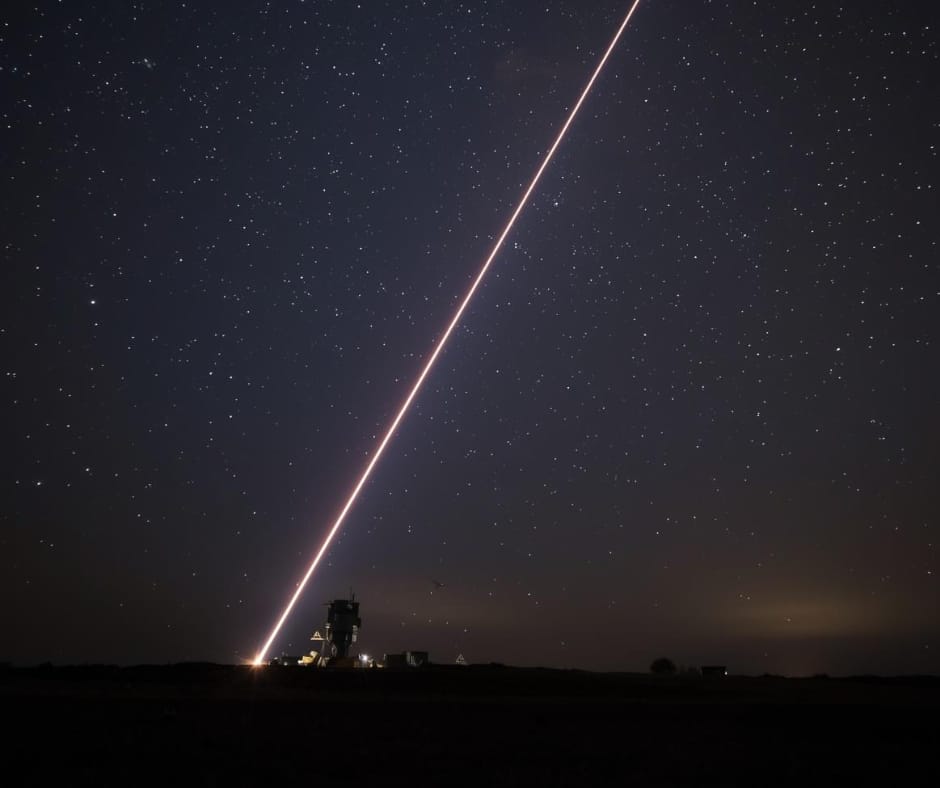
I recall watching Star Wars battles where laser beams were being used to destroy targets in space with deadly accuracy and results. This once futuristic concept has landed on earth and is now being used in the Iran war.
Israel has successfully utilized its Iron Beam laser defense system to intercept Lebanon originated Hezbollah rockets and drones since the first week of March 2026.
Iron Beam is a directed‑energy air‑defense system developed by Rafael Advanced Defense Systems to shoot down short‑range rockets, mortars, artillery shells, and drones (UAVs).
It works by using super powerful 100‑kilowatt lasers to track and burn through incoming threats up to several miles away. It takes just a few seconds of continuous focus on the target to obliterate them.
What’s impressive is the low electrical cost to power the lasers, estimated at under $4 per shot. Contrast this to the $10-100K cost per missile used in their Iron Dome system and you get the economic value it brings to air defense.
Similar systems are being used by the military on ships and mobile ground vehicles. For example, the U.S Navy has already demonstrated use of its High-Energy Laser with Integrated Optical Dazzler and Surveillance (HELIOS) system to zap drones. Just this week, the U.S Department of War (DoW) issued a press release announcing joint testing between the FAA and DoW on anti-drone laser weapons.
Impressive as it sounds there are obvious limitations. Current laser weapons are intended for short range defense, and are unable to intercept medium and long range ballistic missiles or high altitude targets. In addition, lasers are naturally degraded by atmospheric conditions including clouds, rain, fog, dust, and smoke, which scatter or absorb the laser beam.
Nevertheless, this new technology is here to stay and over time will improve. In addition to battle usage, I can see them being mounted around civil and government buildings and structures to act as virtual shields.
“He will cover you with his feathers. He will shelter you with his wings. His faithful promises are your armor and protection.”
Health Nuggets
Health Benefits of Soluble Fiber
A high soluble fiber diet is so important for our health. It supports the heart, gut and metabolic health by slowing digestion, forming a gel in the gut, and feeding beneficial bacteria.

Key health benefits:
Improves blood sugar control. Soluble fiber slows absorption of glucose, helping prevent post-meal blood sugar spikes and supporting diabetes prevention and management.
Lowers triglyceride and LDL “bad” cholesterol. Soluble fiber binds cholesterol and bile acids in the intestines so they are excreted, which can reduce LDL levels and heart disease risk.
Aids weight management. Foods rich in soluble fiber digest more slowly, increase fullness, and can help reduce overall calorie intake.
Feeds beneficial gut bacteria. Fermentation of soluble fiber produces short-chain fatty acids (butyrate) that nourish gut microbes and may lower inflammation and colon disease risk.
Supports healthy bowel movements. By absorbing water and forming a gel, it can bulk up loose stools and help with both diarrhea and overall bowel regularity.
May lower risk of chronic disease. Higher soluble fiber intake is linked with reduced risk of heart disease, type 2 diabetes, and possibly colorectal and other digestive diseases.
Soluble fiber food sources: Oats and bran; beans and lentils (black beans, kidney beans, chickpeas, lentils); fruits: apples, citrus, bananas, pears, oranges, mangoes, avocados, and berries; vegetables: carrots, peas, brussel sprouts, sweet potatoes, broccoli and turnips; flaxseeds, chia seeds, sunflower seeds, and some nuts. Basil seeds are also great in yogurts.
Most people get far less than 15g total fiber daily, so gradually increase intake with foods like oats or beans while drinking plenty of water to avoid discomfort. Women should aim to eat an average of 25g total fiber daily and men should aim for 38g total fiber daily.
Your gut will thank you ;>).
“By these mighty acts he nourishes the people, giving them food in abundance.”
Note: Health Nuggets are opinions and not medical advice.
Trivia Corner
Test your wisdom and knowledge of the Bible.
Isaiah 11 describes the restored Kingdom in the future in which we will see odd pairings of animals living at peace with each other, including all but one of the following: |
Subscribe for free and Share with Friends
Join a vibrant community of Christians pursuing God’s wisdom for life and business. Receive Solomon’s Circle newsletter directly to your inbox weekly:
Take Care and God Bless!
Solomon’s Circle
Reply